
Last Updated: August 11, 2026
The best sustainable gym clothes UK in the UK are those made from recycled or organic fabrics, produced ethically, and designed to last beyond a single season. At House of Tanera, we define sustainable activewear as intentional pieces that reduce waste through durability, thoughtful sourcing, and timeless design. This guide helps you choose wisely.
Shopping for sustainable gym clothes UK in 2026 means looking beyond the label. The market has grown significantly since the early 2020s, with more UK brands committing to circular fashion principles. However, not all eco-friendly claims are equal. Some brands use greenwashing tricks, while others genuinely prioritise people and planet. Understanding what makes activewear genuinely sustainable helps you invest in pieces that serve your body and the environment.
For British women who value both performance and principles, the challenge is finding sustainable gym clothes UK that fit well, feel luxurious, and withstand frequent washing. Many mainstream options fall short on durability, ending up in landfill within months. That is why our philosophy at House of Tanera centres on semi-luxe sportswear that combines premium materials with considered construction, so your favourite leggings or sports bra remain your go-to for years, not weeks.
What Makes Gym Clothes Truly Sustainable in 2026?
True sustainability in activewear goes far beyond using recycled polyester. A genuinely sustainable garment considers its entire lifecycle: the origin of raw materials, the energy used in production, the working conditions of factory staff, the packaging, and finally, what happens when you no longer need it. In 2026, UK consumers are increasingly savvy about these factors, and rightfully so.
Key markers of sustainable gym clothes include certifications like GOTS (Global Organic Textile Standard) for organic cotton, OEKO-TEX for harmful substances, and Fair Wear Foundation for ethical manufacturing. Additionally, look for transparency in supply chains. Brands that openly share their factory locations and production methods demonstrate accountability. Our House of Tanera approach follows these principles, prioritising recycled nylon and responsibly sourced elastane to create pieces that move with you.
Another overlooked aspect is fabric longevity. A pair of leggings that pills after three washes is not sustainable, regardless of its recycled content. Quality construction, reinforced seams, and high-grade dyes all contribute to a longer garment life. This is where semi-luxe sportswear differs from fast fashion alternatives. You pay a bit more upfront, but the cost per wear drops significantly when your gear lasts three or four times longer.
How Do I Choose Sustainable Activewear UK That Actually Works?
Choosing sustainable activewear UK requires balancing several factors: performance, comfort, style, and ethics. Start by assessing your workout routine. Do you practice yoga, run outdoors, lift weights, or attend high-intensity classes? Different activities demand different fabric properties like moisture-wicking, stretch, or breathability. A sustainable piece should perform as well as, or better than, conventional options.
Next, consider fit and cut. Modest activewear has gained significant traction in the UK over recent years, offering longer lengths, higher necklines, and looser fits without compromising function. At House of Tanera, we design with inclusivity in mind, ensuring our collections work for women who prefer extra coverage and those who do not. The result is versatile pieces that respect individual preferences.
Finally, think about colour and design longevity. Trend-driven activewear may look exciting initially, but timeless neutrals and classic silhouettes serve you longer. A capsule wardrobe approach to gym wear means fewer, better pieces that mix and match effortlessly. This strategy reduces consumption and simplifies your morning routine, which is a win for both you and the planet.
Which Fabrics Are Best for Eco-Friendly Workout Gear?
The fabric composition of your workout gear plays a pivotal role in its environmental impact. Recycled polyester, often derived from plastic bottles, remains a popular choice for its performance qualities. However, it still sheds microplastics during washing. More innovative options include ECONYL, a regenerated nylon made from fishing nets and carpet fluff, which offers excellent stretch and recovery while reducing waste.
Organic cotton, Tencel, and bamboo viscose are breathable, plant-based alternatives suitable for low-impact activities like yoga or Pilates. These natural fibres feel gentle on the skin and biodegrade at the end of their life, yet they may lack the compression and sweat-wicking properties needed for intense sessions. Blended fabrics often provide the best of both worlds, balancing natural comfort with technical performance.
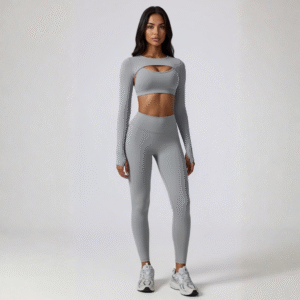
Interestingly, a 2026 industry report from the British Fashion Council noted that 68% of UK activewear shoppers now check fabric composition before purchasing, a notable rise from 41% in 2023. This shift indicates growing awareness that material choice directly influences both performance and planetary impact. When you choose The Becoming Era collection, you are investing in fabrics engineered for longevity and comfort.
| Feature | Fast Fashion Option | Premium Eco Brand | House of Tanera |
|---|---|---|---|
| Fabric Source | Virgin polyester, unknown origin | Recycled polyester, certified | ECONYL and recycled blends |
| Average Lifespan | 6-12 months | 2-3 years | 3-5 years with care |
| Price Point | £15-£25 per item | £60-£100 per item | £45-£75 per item |
| Transparency | Limited, generic claims | Full supply chain disclosure | Open about sourcing and ethics |
Why Is a Capsule Wardrobe Key to Sustainable Activewear?
A capsule wardrobe for your gym kit means owning a smaller number of high-quality, versatile pieces that you rotate and combine. Instead of buying ten cheap leggings that lose shape quickly, you invest in three or four exceptional pairs that you genuinely love. This approach reduces overconsumption, saves money long-term, and ensures you always have something appropriate to wear.
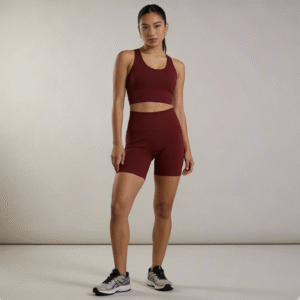
Think about your weekly workout schedule. If you train four times per week, you need enough pieces to avoid constant laundry but not so many that some items sit unworn. A capsule might include two pairs of leggings, two sports bras, three tops, and one jacket. Choose colours that coordinate, such as black, navy, and a signature tone, so everything mixes seamlessly. This is where The Grounding Era collection excels, offering earthy neutrals and considered silhouettes that transition from studio to street.
Moreover, capsule dressing encourages mindful purchasing. Before adding anything new, ask yourself whether it fills a genuine gap in your rotation. Does it complement at least three existing pieces? Will you reach for it weekly? This reflective habit curbs impulse buying and aligns perfectly with the principles of sustainable fashion. When each item earns its place, you naturally build a more responsible wardrobe.
What Role Does Modest Activewear Play in Sustainable Fashion?
Modest activewear is not a niche category anymore; it is a growing segment of the UK market that responds to diverse cultural and personal preferences. Modest designs typically feature longer hems, higher necklines, and looser fits, yet they still require technical fabrics that manage sweat and support movement. Sustainable modest activewear proves that coverage and performance can coexist beautifully.
From a sustainability perspective, modest activewear often encourages less frequent purchasing because the designs are more timeless and less trend-driven. Women investing in these pieces look for durability and comfort rather than ephemeral styles. This aligns perfectly with the slow fashion movement and the ethos behind House of Tanera. Our collection includes options that respect your style preferences, whether you prefer full coverage or a standard fit.
We also recognise that modest activewear can serve multiple purposes. A long-line top works for a gym session, a casual walk, or even running errands. This versatility increases the garment’s useful life and reduces the total number of items you need. When sustainability and inclusivity intersect, the result is fashion that genuinely supports your lifestyle.
How Should I Care for Sustainable Gym Clothes to Extend Their Life?
Proper care is the single most effective way to prolong the life of your sustainable activewear. Washing at 30 degrees rather than 40 reduces energy consumption by approximately 40% and protects elastic fibres. Always fasten zips and turn garments inside out before washing to prevent snagging and maintain colour. Avoid fabric softeners, which coat synthetic fibres and impair their moisture-wicking abilities.
Air drying beats tumble drying every time. High heat degrades elastane, causing leggings to lose their compression and shape. If you must use a dryer, select the lowest heat setting. Additionally, consider using a Guppyfriend washing bag or a microplastic filter to capture shed fibres, preventing them from entering waterways. These small habits significantly reduce your environmental footprint.
Regular maintenance also includes checking for pilling and loose seams. Addressing minor issues early, such as trimming loose threads, prevents them from worsening. When your pieces genuinely reach the end of their life, explore recycling programmes offered by brands like ours. Some retailers accept old activewear for textile recycling, turning worn garments into new materials. This closed-loop mindset is the future of sustainable gym clothes UK.
Which UK Brands Lead in Sustainable Activewear in 2026?
Several UK brands have distinguished themselves in the sustainable activewear space. Girlfriend Collective is renowned for using recycled materials and offering inclusive sizing. Sweaty Betty has introduced more conscious lines, although some critics question their overall sustainability claims. Smaller labels such as TALA and Nimble Activewear also prioritise ethical production and recycled fibres, catering to a design-conscious audience.
However, many of these brands fall into the premium price bracket, often exceeding £80 per item. House of Tanera fills a vital gap by offering semi-luxe sportswear that maintains high ethical and environmental standards while remaining accessible to a broader range of women. We believe conscious fashion should not be exclusive; it should be available to anyone who values quality and responsibility.
When comparing brands, look beyond marketing language. Examine their sustainability reports, third-party certifications, and fabric choices. A 2026 consumer survey by Statista indicated that 73% of British women aged 25-45 are willing to pay more for sustainable activewear, but they expect transparency and proof. Our commitment to openness and quality positions us as a trusted choice for activewear UK shoppers.
How Does House of Tanera Approach Sustainable Design?
At House of Tanera, sustainability is not an afterthought; it is the foundation of every design decision. We begin with fabric selection, prioritising recycled and regenerated materials that offer premium performance. Our signature pieces feature ECONYL, which transforms waste into luxurious, durable textiles. The fit is developed through extensive testing with real women of various body types, ensuring comfort and confidence.
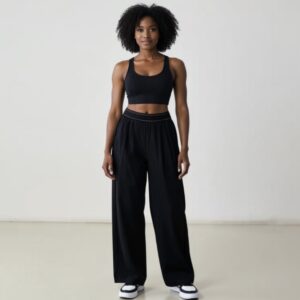
Production takes place in certified facilities that adhere to strict environmental and labour standards. We maintain close relationships with our manufacturing partners, visiting regularly and auditing compliance. Our packaging is plastic-free and recyclable, chosen to minimise waste from the moment your order arrives. These practices reflect our belief that The Liquid Era collection should represent both fluid movement and ethical integrity.
We also embrace a made-to-order model for certain pieces, reducing overproduction and excess stock. This approach ensures we only create what is needed, minimising unsold inventory and its associated waste. By operating this way, we demonstrate that sustainable fashion can be both beautiful and practical. Choosing House of Tanera means supporting a brand that genuinely cares about your experience and the world you live in.
Key Takeaways
- Sustainable gym clothes UK prioritise recycled fabrics, ethical production, and durability over trend-driven designs.
- A capsule wardrobe of versatile, high-quality pieces reduces consumption and simplifies your routine.
- Proper care, including cool washing and air drying, significantly extends garment lifespan.
- House of Tanera offers semi-luxe sportswear that balances ethics, performance, and accessible pricing.
- Modest activewear and inclusive sizing are integral to sustainable fashion, ensuring fitness is accessible to all women.
What Is the Future of Eco-Friendly Activewear in the UK?
Looking ahead, the future of sustainable gym clothes UK appears promising and dynamic. Biotech innovations are emerging, such as lab-grown silk and mycelium-based leather alternatives for accessories. Fabric recycling technologies are improving, enabling true closed-loop systems where old garments become new ones without quality loss. The UK government has also introduced extended producer responsibility schemes, holding brands accountable for their products’ end-of-life impact.
Consumer behaviour continues to shift towards quality over quantity. Rental and resale platforms for activewear are growing, offering alternatives to ownership. However, rental models have limitations for items worn frequently and requiring precise fits. The most effective future strategy combines durable design, responsible consumption, and improved recycling infrastructure. Brands like ours are at the forefront, investing in research to enhance sustainability without sacrificing style or performance.
For the discerning British woman, the choice is clear: support brands that demonstrate genuine commitment rather than those merely chasing trends. Look for evidence, ask questions, and build a wardrobe that reflects your values. By choosing intentionally, you contribute to a fashion system that respects people and planet. Your activewear should empower your workouts, and your purchasing power empowers change.
How Can I Build My Own Sustainable Gym Wardrobe This Year?
Start by auditing your current activewear collection. Identify pieces you wear regularly and those that sit unused. Donate or recycle the latter responsibly. Then, list the gaps you need to fill based on your workout schedule. Perhaps you lack a supportive sports bra for high-impact classes or a breathable top for summer runs. Focus on these genuine needs rather than impulse purchases.
Set a budget that reflects the value of sustainability. Remember, a £60 pair of leggings that lasts four years costs £15 per year, while a £20 pair replaced every six months costs £40 annually. The sustainable choice is also the economical choice. Allocate your budget strategically, investing more in high-usage items like leggings and sports bras, and less in accessories or seasonal pieces.
Finally, choose versatile options. Neutral colours, classic cuts, and fabric that works across activities maximise each item’s utility. Our collections at House of Tanera are designed with this philosophy, ensuring every piece integrates seamlessly into your existing wardrobe. Start your journey today by exploring our range and discovering how intentional activewear can transform your fitness routine.
Ready to build a sustainable gym wardrobe that supports your evolution? Explore House of Tanera’s collections designed with intention, quality, and care.
Frequently Asked Questions
What qualifies as sustainable gym clothes?
Sustainable gym clothes are made from recycled or organic materials, produced under ethical labour conditions, and designed for durability. They also incorporate transparent supply chains and minimal packaging. Key certifications to look for include GOTS, OEKO-TEX, and Fair Wear Foundation. These garments prioritise longevity over trends, reducing environmental impact throughout their lifecycle.
Is sustainable activewear more expensive than regular activewear?
Sustainable activewear often has a higher upfront cost due to premium materials and ethical manufacturing. However, it typically lasts longer, making it more economical over time. A quality pair at £60 that lasts four years is cheaper than a £20 pair replaced every six months. View it as an investment in both your wardrobe and the planet.
Can sustainable gym clothes perform as well as synthetic options?
Yes, modern sustainable fabrics like ECONYL and recycled polyester offer excellent moisture-wicking, stretch, and durability. Blends with natural fibres provide breathability for lower-impact activities. Technical innovations have closed the performance gap, meaning you do not have to compromise functionality for sustainability. Many athleisure users report comparable or superior comfort.
How does House of Tanera ensure its activewear is sustainable?
House of Tanera uses recycled materials including ECONYL, partners with certified ethical factories, and employs plastic-free packaging. We operate with made-to-order production for certain items, reducing waste. Our collections, such as The Becoming Era and The Grounding Era, are designed for longevity and versatility, ensuring your pieces remain functional and stylish for years.
What should I do with old sustainable gym clothes?
If your activewear is still wearable, consider donating it to charity or selling through resale platforms. For worn-out items, check if the brand offers a recycling programme. Some retailers accept old garments for textile recycling. Alternatively, repurpose them as cleaning rags. Avoid sending them to landfill whenever possible.
Does House of Tanera offer modest activewear options?
Yes, House of Tanera designs with inclusivity in mind, offering modest activewear that includes longer lengths, higher necklines, and looser fits. These pieces maintain technical performance while respecting personal style preferences. Our goal is to make sustainable semi-luxe sportswear accessible to all women, regardless of coverage preference.
Similar Posts
Timeless Clothing Pieces for an Intentional Life
Last Updated: December 21, 2025 Introduction Imagine opening your wardrobe and feeling only calm and possibility. This is the power of timeless clothing pieces. They are the foundation of a considered, versatile wardrobe designed for real life. For the modern individual, a closet overflowing with trendy items often leads to daily frustration. The solution is…
The Ultimate Guide to Premium Women’s Gym Leggings in the UK
Last Updated: January 06, 2026 Introduction The search for the perfect pair of premium women’s gym leggings in the UK is about more than just fabric. It’s a quest for a piece that supports your entire day, not just your workout. Modern life demands clothing that moves with us, from the morning studio session to…

The Ultimate Long Sleeve Gym Top for Women in the UK
Discover the perfect long sleeve gym top for women in the UK. Shop our performance wear for your next workout

What Are the Best Sunday Loungewear Women UK?
Discover the best Sunday loungewear women UK brands for ultimate comfort and style. Explore our top picks now

What Are the Best Gym Wear For Cold Weather UK in the UK?
Stay warm and stylish with the best gym wear for cold weather UK, from thermal layers to cosy fleece, discover our top picks for winter training

The Best UK Brand for Lounge Essentials in 2026
Discover the ultimate UK brand for 2026 lounge essentials. Find your perfect cosy look and explore the collection now