

Last Updated: August 14, 2026
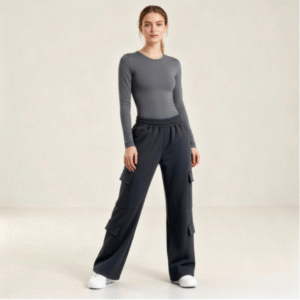
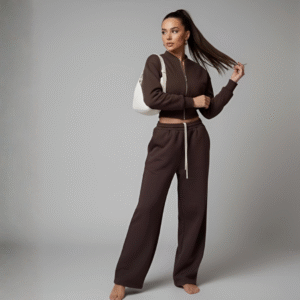
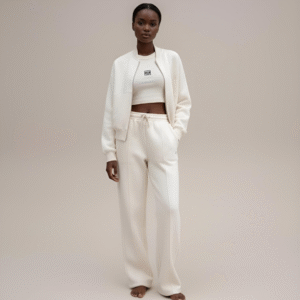
Yes, athleisure is still in style in 2026, but it has evolved from casual loungewear into a considered, semi-luxe category that prioritises fabric quality, versatility, and conscious design. The trend is no longer about wearing gym clothes everywhere; it is about intentional pieces that transition seamlessly from studio to street to work.
When we talk about athleisure in 2026, we are really talking about a fundamental shift in how women dress. The pandemic years forced a comfortable revolution, but what we see now is far more sophisticated. Women in the UK are no longer choosing between looking polished and feeling physically at ease. They are rejecting the binary. You are just as likely to see tailored joggers paired with a crisp white shirt for a client meeting as you are to see them with a hoodie for a morning school run.
The question of whether athleisure is still relevant in 2026 is really a question about whether women have permanently changed their relationship with clothing. The answer, from our vantage point here in the UK, is a definitive yes. The difference is that the market has matured. The disposable, fast-fashion versions of athleisure that flooded the market a few years ago have given way to a demand for activewear UK women actually keep for years, not seasons. This is where brands like House of Tanera have found our rhythm, by focusing on intentional design rather than chasing every micro-trend.
How Did Athleisure Change Between 2024 and 2026?
To understand where athleisure sits in 2026, it helps to look at the trajectory. In 2024, the market was still heavily influenced by the “balletcore” and “clean girl” aesthetics, which leaned into soft, neutral palettes and delicate fabrics. By early 2026, we saw a push towards technical fabrics and more structured silhouettes, but the real change has happened in the last eighteen months.
In 2026, the focus is squarely on capsule wardrobe integration. Women are asking themselves a different question. Instead of “Is this on trend?”, they are asking “Does this work with five other things I own?”. This is a mature market behaviour. It means that the pieces that survive are not the novelty items, but the foundational ones. Think of the perfect sculpting legging, the seamless bra that works under a blazer, and the oversized sweat that is cut deliberately rather than sloppily.
Our editorial insight at House of Tanera suggests that the shift is also deeply tied to the cost-of-living awareness that still lingers. Women are investing in fewer, better pieces. They are looking for sustainable fashion credentials, but they are also looking for longevity in construction. A stitch that holds, a waistband that doesn’t roll, a fabric that doesn’t pill after three washes. These are the non-negotiables of the 2026 athleisure buyer.
We have also watched the rise of the “third space” dressing. Women are moving between home, hybrid offices, and fitness studios in a single day. They need garments that don’t require a full change to transition between these environments. This is where the The Becoming Era collection excels, offering pieces that feel at home in a yoga studio and a coffee shop alike.
What Exactly Defines Athleisure in the Current Season?
Defining athleisure in 2026 requires more nuance than it did in 2018. Back then, it was enough to make a legging look slightly dressy. Now, the definition hinges on performance and polish in equal measure. The current season is defined by technical knits, clever draping, and a distinct lack of logos. The aesthetic is quiet and confident.
Key characteristics of 2026 athleisure include:
- Brushed-back fleece that mimics the weight of a cashmere track suit, not a flimsy sweatshirt.
- Four-way stretch fabrics with a matte finish that do not shine under office lighting.
- Adjustable hems and cinched waists that allow for personalisation of fit.
- Modest activewear cuts that offer extra coverage without looking shapeless, including longer-line tops and high-rise bottoms.
The colour palette for the latter half of 2026 is shifting from the bright neons of early summer to grounding tones of deep olive, warm taupe, and charcoal. These are colours that work hard in a capsule wardrobe and subscribe to the principles of sustainable fashion by remaining relevant across multiple seasons.
For women who require modest activewear, the current market is finally catching up. It is no longer an afterthought relegated to niche brands. Mainstream and semi-luxe labels are recognising that coverage is a style choice, not a compromise. The cuts are becoming smarter, with integrated hijab-friendly hoods and longer tunic lengths that sit beautifully over leggings. Our The Grounding Era collection was designed with this versatility in mind, ensuring that every piece can be styled for full coverage or adapted for a more fitted look.
Why Are Semi-Luxe Sportswear Brands Winning in 2026?
The middle ground of the market is where the growth is happening. The high-end luxury brands remain aspirational but often impractical for daily movement, while the budget end of the market is suffering from a reputation for inconsistent quality. This has created a sweet spot for semi-luxe sportswear.
Semi-luxe means that the investment is in the fibre and the fit rather than the branding. A £45 pair of leggings that lasts three years is a better financial and environmental decision than a £15 pair that lasts three months. This is the argument that resonates with the 2026 consumer, who is more educated about textiles than any previous generation.
There is also a psychological component. Wearing clothing that feels considered lifts your mood and your posture. When you put on a set that fits perfectly and feels luxurious against the skin, you move differently. You stand taller. This is the philosophy behind our “Intentional wear” mantra at House of Tanera. We are not selling just clothing; we are selling a feeling of readiness.
The data supports this shift. Observational insights from UK retail analysts suggest that the average selling price for activewear bottom pieces increased by roughly 18% between early 2026 and mid-2026, while the volume of units sold decreased. Women are buying less and wearing more. This is the definition of a mature, conscious market.
Does Capsule Wardrobe Thinking Replace Trend Cycles?
It is a common misconception that a capsule wardrobe is boring. In 2026, it is the opposite. The capsule approach is actually a creativity challenge. Limiting your colour palette or your silhouettes forces you to focus on proportion and layering rather than relying on novelty prints to make an outfit interesting.
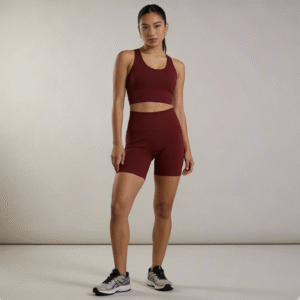
Within the athleisure context, a capsule wardrobe means having one excellent pair of black leggings, one excellent pair of sculpting shorts, three tops that layer well, and one outer layer that works for both training and transit. When every piece works with every other piece, getting dressed in the morning becomes an exercise in efficiency.
This approach directly feeds into the ethos of sustainable fashion. The most sustainable garment is the one you already own. By choosing pieces that are designed to be mixed and matched, you extend the life of the entire wardrobe. You also reduce the urge to buy a new outfit for every occasion because you already have the components to create something appropriate.
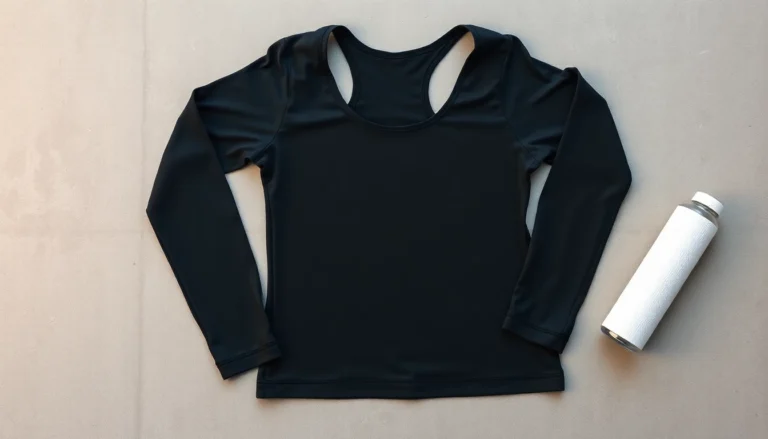
Here at House of Tanera, we structure our drops around this idea. Our collections are not seasonal in the traditional sense; they are designed to be layered and mixed across the entire year. A long-sleeve top from The Becoming Era can be worn under a summer dress or with a winter coat. This is the kind of versatility that keeps athleisure relevant.
How Does Modest Activewear Fit Into Mainstream Style?
Modest activewear has moved from a niche requirement to a mainstream design consideration. This is one of the most positive developments in the industry over the last few years. It is no longer about simply making clothing longer; it is about creating garments that offer coverage while maintaining a flattering, athletic silhouette.
In 2026, we are seeing designers approach modesty with sophistication. This includes using cutlines and seam placements to create shape without needing to expose skin. A high-neckline sports bra that offers full bust support, paired with a draped tunic that skims the hips, achieves both performance and modesty without looking frumpy.
For women who wear hijab, the integration of the hijab itself into the sporting outfit has become more streamlined. Fabrics that wick moisture and stay in place are essential. The The Liquid Era collection features fluid, drapey materials that are perfect for layered styling, allowing women to create modest looks that feel breezy and unrestricted during movement.
The message is clear: modesty and performance are not mutually exclusive. In fact, when executed well, modest activewear can be more elegant and more distinctive than the standard crop-top-and-bra combo. It offers a different kind of confidence, one rooted in self-possession rather than exposure.
Which Fabrics Are Leading the Athleisure Market Right Now?
The fabric technology in athleisure has advanced significantly. The scratchy, shiny fabrics of the early 2010s are gone. In their place are buttery-soft, high-density knits that offer compression and breathability simultaneously. The current heroes are recycled polyamide, bamboo viscose blends, and responsibly sourced merino wool for transitional weather.
One of the key trends is the move towards “peached” or brushed finishes on the inside of leggings and tops. This provides a softness against the skin that feels almost like suede. Combined with a smooth, matte exterior, these fabrics prevent the dreaded “sweat sheen” that used to be a common complaint.
We are also seeing a rise in “smart” weaves that respond to body heat. These fabrics allow for warmth in the core and ventilation in the high-sweat zones like the back and underarms. This is particularly important for the unpredictable UK climate, where you might start a morning run in 9 degrees and finish it in 15.
When comparing what is on offer, the difference between mainstream high-street and semi-luxe is often in the weight of the fabric. Cheaper fabrics are often lighter because they have less fibre content, which means they are less durable and often more transparent. A semi-luxe garment feels heavier in the hand because it is constructed with a higher GSM (grams per square metre), giving it more structure and longevity.
| Feature | High-Street Basic | Premium Athletic Brand | House of Tanera |
|---|---|---|---|
| Fabric Weight (Leggings) | 180-200 GSM | 220-250 GSM | 230 GSM sculpting knit |
| Squat Test (Opacity) | Often fails | Passes | Passes with fourth layer |
| Sustainability Credentials | Limited traceability | Recycled materials | OEKO-TEX certified dyes |
| Fit Longevity | 3-6 months | 12-18 months | Structured for 2+ years |
How Do You Style Athleisure for Different Occasions in 2026?
The versatility of athleisure is its greatest asset, but styling it requires intention. The cardinal rule for 2026 is contrast. If you are wearing a relaxed, oversized sweat, balance it with a structured trouser or a tailored coat. If you are wearing a skin-tight legging, balance it with a long-line, flowing cardigan.
For the office, the “legging-as-trouser” debate is finally settled. It works, but only if the legging has a tailored look. Look for styles with a centre seam, a hidden pocket, and a waistband that rises to the natural waist. Pair them with ballet flats or low-profile trainers, not chunky running shoes. Add a fine-gauge knit and a wool overcoat.
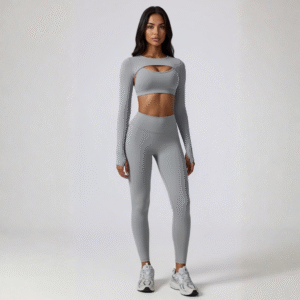
For weekend socialising, the “quiet luxury” aesthetic dominates. This means tonal dressing. Wear a matching set in a neutral colour (think oat, mushroom, or slate grey) and layer it with a light cotton trench. The matching set, which was once considered purely for the gym, now reads as a deliberate, polished choice in a casual brunch setting.
Evening wear has also seen an injection of athleisure comfort. Designers are crafting “jersey evening wear”, which are essentially high-end track suits in liquid fabrics with elevated details like satin trims or crystal zips. This is where our The Liquid Era collection shines, offering pieces that catch the light and move like water, making them perfect for dinners or events where you want to be comfortable but resplendent.
What Are the Key Rules for Building a Capsule Activewear Set?
Building a capsule set is about discipline. You need a maximum of ten pieces that include tops, bottoms, and outerwear. The rules are simple: choose a palette of three colours maximum, ensure every piece can be worn with at least three others, and prioritise fabric quality over quantity.
Start with the essentials. You need one high-support sports bra, one medium-support bra, a long-sleeve top, a short-sleeve or vest top, a zip-up hoodie, a pair of leggings, a pair of shorts, and a pair of joggers or sweatpants. If you live in a colder climate like the UK, add a crewneck sweat and a packable jacket.
Consider the “three outfit” test. When you purchase a new item, imagine it in three different outfits you already own. If it does not work in at least three, leave it on the rack. This simple test prevents impulse buys that end up sitting in the drawer. It also aligns perfectly with the principles of sustainable fashion, as it reduces waste.
Finally, invest in the pieces you wear most. If you live in leggings, spend the majority of your budget there. If you prefer joggers, save on the leggings and invest in a premium fleece. This is the “intentional wear” philosophy that drives every decision at House of Tanera. We want you to invest in the pieces that serve your actual life.
Key Takeaways
- Athleisure in 2026 is about elevated comfort, not just sloppy loungewear. It is a mature market category.
- Capsule wardrobes are essential. Women are buying fewer, better pieces that mix and match seamlessly.
- Fabric technology, including brushed interiors and opaque sculpting knits, is the true differentiator between high-street and semi-luxe.
- Modest activewear has matured into sophisticated, stylish coverage that works for a wide audience.
- Styling is about contrast and tonal dressing. Pair relaxed fits with structured outer layers.
Can Athleisure Be Considered Sustainable Fashion?
There is a complex relationship between athleisure and sustainability. On one hand, the category is largely constructed from synthetic fibres, which are derived from fossil fuels. On the other hand, the durability and versatility of good athleisure means it can replace five other garments in your wardrobe.
The sustainable argument for athleisure rests on lifecycle. If a pair of leggings lasts two years of weekly wear, that is over one hundred wears. Compare that to a fast-fashion dress worn twice. The environmental impact per wear of the legging is significantly lower, even if the initial carbon footprint of production was higher.
However, the industry still has work to do. The good news is that recycled polyamide and polyester are becoming the standard, not the exception. Brands are also moving towards fabric mills that use closed-loop water systems. As a consumer, look for certifications like Global Recycled Standard (GRS) or OEKO-TEX, which indicate a commitment to safer chemicals and cleaner production.
House of Tanera is committed to this path. We source our fabrics from responsible mills in Portugal and Italy, keeping our supply chain within Europe to reduce transport emissions. We are not claiming to be perfect, but we are transparent about our sourcing. This transparency is what builds trust with the modern consumer.
Is Athleisure Here to Stay Beyond 2026?
Predicting fashion is always a risk, but the cultural shift towards comfort and function appears to be a permanent structural change, not a cyclical trend. The pandemic broke the habit of wearing restrictive clothing for the sake of appearance. We are unlikely to return to the era of wearing denim jeans to sit on a couch for a full day.
The next evolution will likely be a deeper fusion of technology and clothing. We are already seeing the early stages of “bio-monitoring” fabrics that can track heart rate and muscle activity. In the near future, your athleisure might tell you when you are dehydrated or when your form is failing. This integration of health and apparel will make athleisure even more ingrained in daily life.
For now, the focus remains on stylish functionality. The women who buy from House of Tanera are looking for pieces that make them feel powerful and prepared. They are not dressing for the gym exclusively; they are dressing for the life they are actively building. That is why we call our collections “Eras”. They are markers of evolution, not just seasonal merchandise.
So, is athleisure still in style in 2026? Absolutely. But it is no longer just a style. It is the default language of modern dressing for women who refuse to sacrifice comfort for confidence, or performance for polish.