
Last Updated: August 01, 2026
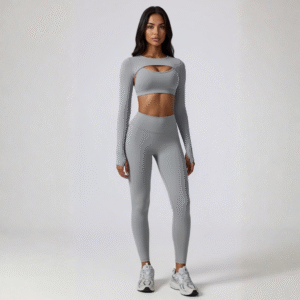
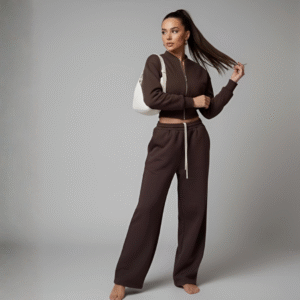
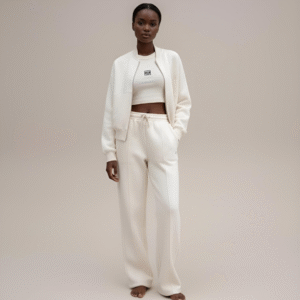
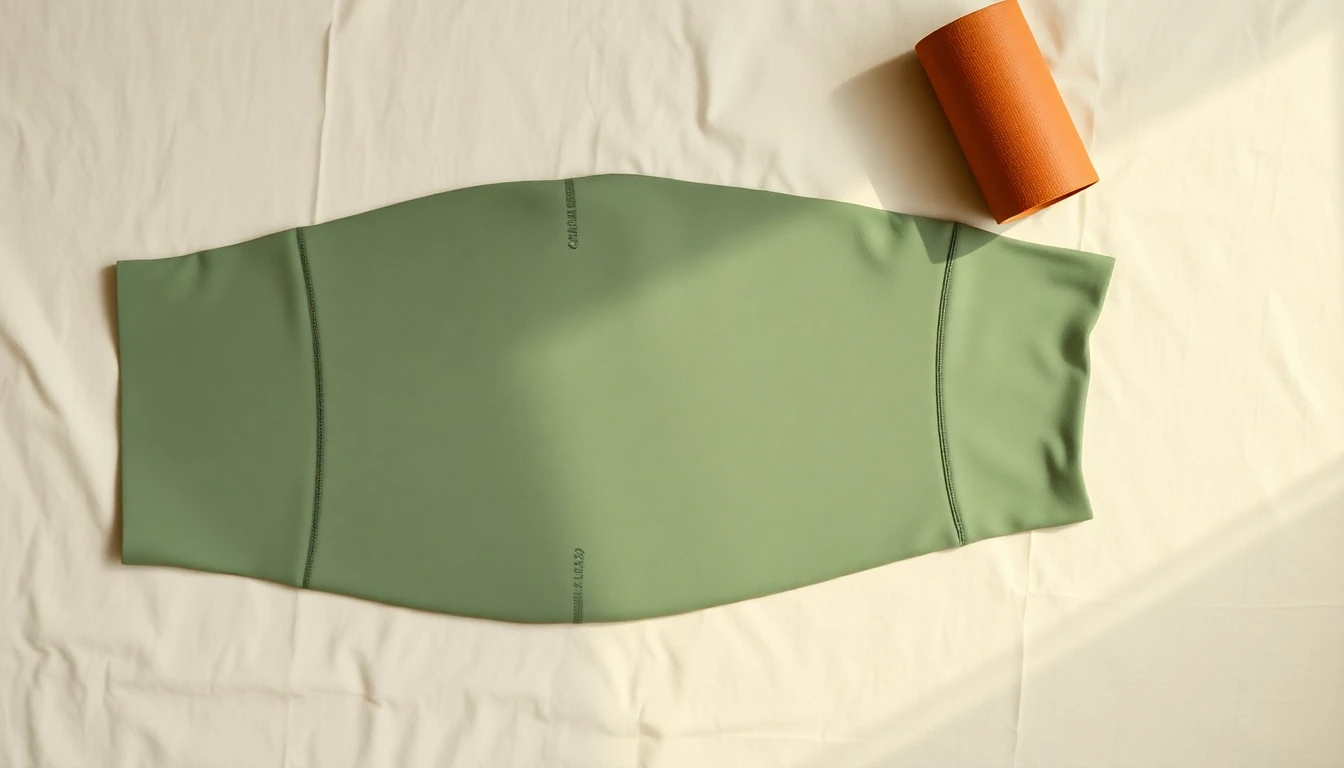
Pelvic floor friendly activewear is clothing designed with soft, non-restrictive waistbands, gentle compression, and breathable fabrics that avoid putting pressure on the pelvic region, allowing you to move with comfort and confidence. The best options in 2026 prioritise medium-support leggings with high-rise but flexible panels, seamless gussets, and moisture-wicking materials that work with your body rather than against it.
Why Does Your Activewear Choice Matter for Pelvic Floor Health?
Your pelvic floor is a group of muscles that support your bladder, bowel, and uterus, and it plays a crucial role in core stability, posture, and continence. When you wear activewear with tight waistbands, harsh elastic, or aggressive compression, you can inadvertently increase intra-abdominal pressure, which pushes down on those muscles during exercise. Over time, this added pressure may contribute to pelvic floor dysfunction, including stress incontinence or pelvic organ prolapse, particularly in women who have given birth or are navigating perimenopause.
The right activewear, however, works as a supportive partner. Think of it this way: you would not wear a corset to lift weights, so why would you wear a waistband that digs in during a squat? Semi-luxe sportswear brands are beginning to understand this nuance, designing pieces that offer support without squeezing. The goal is to find garments that feel like a second skin, allowing your muscles to engage naturally while still enjoying the shaping and confidence that good activewear brings.
If you are new to considering pelvic health in your fitness wardrobe, you might wonder The Becoming Era collection was designed with exactly this philosophy in mind, blending soft-touch fabrics with smart panel placements that never interfere with your body’s natural alignment.
How Can You Identify Pelvic Floor Friendly Activewear in the UK Market?
Knowing what to look for is half the battle. The activewear UK market is flooded with options that promise compression and sculpting, but those features are often exactly what you need to avoid. Instead, look for these key markers when shopping for pelvic floor friendly pieces:
- Flexible waistbands that stretch with you, not against you. Avoid rigid bands that leave red marks or indentations after a session.
- Seamless or minimal gusset designs that reduce friction and allow for natural movement without chafing or pressure points.
- Breathable, moisture-wicking fabrics like bamboo blends or recycled nylon that keep you dry and comfortable, reducing the risk of irritation.
- Moderate compression rather than high compression. You want support for your muscles, not restriction of your torso.
- Adjustable features such as drawstrings or crossover panels that let you customise the fit as your body changes throughout the month.
Many women also ask about modest activewear when searching for pelvic floor friendly options. The good news is that modest pieces, such as longer tops, wider leg openings, and hijab-friendly hoods, often align beautifully with pelvic health principles because they tend to favour looser or more flowing silhouettes around the torso. That does not mean you have to sacrifice style or performance; it simply means you can find garments that respect both your modesty preferences and your physiological needs.
Which Fabrics Should You Prioritise?
Fabric choice is arguably the most important factor in pelvic floor friendly activewear. Look for materials that offer a four-way stretch, allowing your hips and pelvis to move freely in any direction. Semi-luxe sportswear brands, including House of Tanera, often use blends of organic cotton, bamboo, or recycled polyester with elastane. These fabrics provide gentle support while maintaining breathability, unlike traditional nylon-based compression leggings that can feel suffocating after an hour of movement.
What Are the Common Mistakes Women Make When Choosing Activewear?
It is all too common to buy activewear based on how it looks on the hanger rather than how it feels during a workout. One frequent mistake is choosing high-waisted leggings with a thick, unforgiving band because they offer a smoothing effect. While this might feel flattering initially, the pressure on your lower abdomen can be counterproductive for pelvic floor health. Another error is sizing down to get a snugger fit, which only increases tension on the fabric and, consequently, on your body.
A third mistake is overlooking the importance of the gusset. A poorly placed or too-narrow gusset can cause discomfort and restrict natural movement, especially during activities like yoga or cycling. Finally, many women ignore the signs their body gives them, such as discomfort, tingling, or the need to use the toilet more frequently during exercise. These are signals that your activewear may not be the right choice for you.
Interestingly, the conversation around pelvic floor health has grown significantly, and our The Liquid Era collection reflects this evolution, offering pieces that move seamlessly from a Pilates class to a coffee run without compromising on support or comfort.
How Does House of Tanera Approach Pelvic Floor Friendly Design?
At House of Tanera, our philosophy is simple: intentional wear for your body, your lifestyle, your evolution. We do not believe in cutting corners or squeezing women into unrealistic silhouettes. Instead, we design with a deep understanding of anatomy and kinematics, ensuring that every seam, panel, and waistband serves a purpose.
Our design process starts with listening to our community, many of whom have shared their struggles with finding activewear that does not aggravate their pelvic floor. From that feedback, we developed features like our signature soft-grip waistbands that stay in place without digging in, and our seamless back panels that reduce pressure on the lower spine. We also incorporate sustainable fashion practices, using recycled and low-impact materials, so you can feel good about your purchase for your body and the planet.
Unlike fast fashion brands that churn out seasonal trends, we focus on creating a capsule wardrobe approach, where each piece is versatile enough to be worn across multiple eras of your life, from postpartum recovery to high-intensity training.
What Should a Pelvic Floor Friendly Capsule Wardrobe Include?
Building a capsule wardrobe for pelvic floor health does not mean owning dozens of pieces; it means owning the right ones. A considered collection should include leggings and trousers with flexible waistbands, tops that do not constrict your ribcage, and outer layers that are easy to remove as your body temperature fluctuates. For those who prefer modest activewear, longline tops and wrap-style jackets are excellent additions because they provide coverage without adding compression around the midsection.
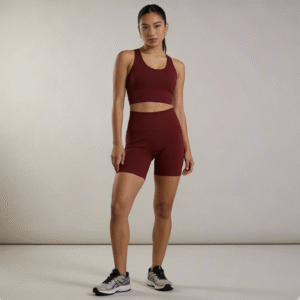
It is also wise to have at least one pair of shorts for warmer months or high-intensity sessions, and a light, breathable sports bra that offers support without underwire pressure points. The key is to choose pieces that you can mix and match, reducing decision fatigue and ensuring you always have something appropriate for your chosen activity.
Which Brands Offer the Best Pelvic Floor Friendly Activewear in 2026?
The market has responded to the growing demand for pelvic floor friendly activewear, and several UK-based and international brands now offer excellent options. Below is a comparison to help you make an informed choice, based on our editorial review of fabric, design, and price point.
| Feature | Brand A (Compression-First) | Brand B (General Activewear) | House of Tanera |
|---|---|---|---|
| Waistband construction | High, rigid elastic | Medium rise, variable | Flexible, soft-grip, non-restrictive |
| Compression level | High (400g+ fabric) | Low to medium | Medium, designed for support not pressure |
| Gusset design | Standard, narrow | Standard width | Seamless, wide, flat-lock |
| Sustainable materials | Recycled nylon | Mixed, often virgin polyester | Organic cotton, bamboo, recycled fabrics |
| Price range (UK, £) | £60-£90 | £30-£50 | £55-£75 |
As you can see, the difference lies not in the price, but in the design philosophy. Compression-first brands prioritise a sculpted look, which often comes at the cost of pelvic comfort. General activewear brands may offer variety but rarely have a specific focus on pelvic floor friendly activewear. House of Tanera sits in the middle, offering a semi-luxe experience that values your body’s functionality as much as its appearance.
How Do You Test If Your Activewear Is Pelvic Floor Friendly?
You do not need a specialist to assess your activewear; you just need to listen to your body. Start by wearing your chosen leggings or tights for a low-impact activity like walking or light stretching. Pay attention to any sensations around your waist and lower abdomen. If you feel any pinching, excessive pressure, or the need to constantly adjust the waistband, those are red flags.
Next, perform a few deep squats or forward folds. Does the fabric bunch up or cut into your hips? Does the waistband roll down or, conversely, feel like it is compressing your stomach against your ribs? Finally, check the fit after washing, as some fabrics lose elasticity over time, which can change the pressure points entirely. A truly pelvic floor friendly garment should feel virtually unnoticeable during movement, allowing you to focus entirely on your workout.
If you are unsure where to start, our The Grounding Era collection is designed to feel intuitive, with fabrics that mould to your shape without ever squeezing it.
Can Activewear Actually Improve Pelvic Floor Function?
This is a nuanced question. Activewear alone cannot strengthen your pelvic floor; that requires specific exercises like Kegels, bridge poses, and proper breathing techniques. However, activewear can remove barriers to those exercises. When you are comfortable, you are more likely to engage in the movements that build strength. Furthermore, wearing non-restrictive clothing allows your diaphragm to descend fully during breathing, which is a fundamental part of core and pelvic floor coordination.
Some brands are also exploring the use of sensory feedback, such as fabrics with subtle textural cues that remind you to engage your core. While this is still an emerging area, the principle is sound: your clothing can serve as a mindful prompt, helping you stay connected to your body throughout the day.
Key Takeaways
- Look for flexible waistbands and avoid rigid compression that digs into your pelvis.
- Prioritise breathable, four-way stretch fabrics like organic cotton and bamboo blends.
- A seamless wide gusset is essential for comfort and natural movement.
- Modest activewear often aligns well with pelvic floor friendly design principles, offering coverage without constriction.
- Test any new activewear with low-impact movements to assess pressure points.
How Do You Care for Pelvic Floor Friendly Activewear to Maintain Its Benefits?
Proper care extends the life of your activewear and preserves its pelvic floor friendly properties. Always wash your garments in cold water on a gentle cycle, and avoid fabric softeners. Fabric softeners can coat the fibres, reducing their elasticity and moisture-wicking abilities, which are key to maintaining a non-restrictive fit. Air drying is preferable to tumble drying, as high heat can break down the elastane, leading to sagging or, conversely, shrinking, both of which alter the garment’s interaction with your body.
It is also worth considering a wash bag to protect the fabric from snagging against zippers or Velcro on other items. With sustainable fashion, proper care is not just about durability; it is about reducing your environmental footprint by keeping your clothing out of landfill for as long as possible.
Which Activities Benefit Most from Pelvic Floor Friendly Activewear?
While all activities benefit from comfortable clothing, certain exercises place more demand on the pelvic floor and, therefore, require more thoughtful attire. High-impact activities like running and jumping cause repeated stress on the pelvic region, so non-compressive leggings are a must. Conversely, low-impact activities like Pilates and yoga require maximum flexibility, meaning your activewear must allow for deep stretching without bunching or restricting blood flow.
Weight training is another area where pelvic floor friendly activewear shines. Anatomically, lifting requires you to manage intra-abdominal pressure, and a restrictive waistband can interfere with the natural bracing mechanism of your core. Switching to softer-waistband tights can improve your lifting form and reduce the risk of discomfort during heavy sets.
Where Can You Find Pelvic Floor Friendly Activewear That Aligns with Your Values?
For women who prioritise both quality and ethics, the hunt for the right activewear can feel daunting. The UK market has a strong selection, but finding a brand that combines pelvic floor friendly design with modest activewear options, sustainable fashion practices, and a semi-luxe price point is rarer than you might think. That is exactly the gap House of Tanera was created to fill.
We invite you to explore our collections and feel the difference that intentional design makes. Whether you are building a new capsule wardrobe or simply replacing one pair of uncomfortable leggings, we are here to support your journey. Our body-positive philosophy means we celebrate all shapes, sizes, and stages of life, and we are always happy to offer guidance on which pieces might suit your individual needs.
Frequently Asked Questions
What is the difference between compression and support in activewear?
Compression actively squeezes your muscles and tissues, often to create a sculpted silhouette, which can increase pressure on the pelvic floor. Support, on the other hand, provides gentle holding through strategic fabric placement and construction, allowing for natural movement while keeping everything secure. For pelvic floor health, you want support without high compression.
Can I wear high-waisted leggings if I have pelvic floor issues?
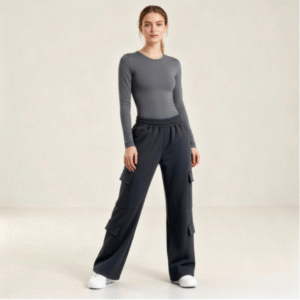
Yes, high-waisted leggings are fine, provided the waistband is made of a flexible, non-rigid material that does not dig into your abdomen. A soft-grip band that stays in place without squeezing is ideal. Avoid styles with thick, corset-like panels or aggressive shaping technology.
Does House of Tanera offer modest activewear options?
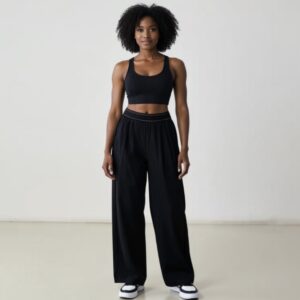
Yes, House of Tanera offers several modest activewear pieces, including longer-length tops and wider-leg trousers, designed without compromising on pelvic floor friendly principles. Our garments provide ample coverage while using flexible waistbands and breathable fabrics that respect your body’s natural movement.
How do I know if my activewear is causing pelvic pressure?
You may notice red marks on your skin, a feeling of needing to use the toilet more often, discomfort during squats, or a sensation of heaviness in your lower abdomen after exercise. If you experience any of these, switch to looser, softer-waistband garments and see if symptoms improve.
Is expensive activewear necessarily better for pelvic floor health?
Not always. Price often reflects fabric quality and construction, which can correlate with better comfort. However, you need to check the specific design features. A mid-priced pair of leggings with a flexible waistband and seamless gusset can outperform a luxury pair with rigid compression.
What makes House of Tanera activewear suitable for postpartum women?
Postpartum bodies are often sensitive to pressure, so our soft waistbands and gentle fabric blends are designed to provide light support without constriction. The seamless gussets and breathable materials also help with comfort and hygiene during recovery, making our collection a considered choice for new mothers.
How often should I replace my pelvic floor friendly leggings?
Depending on how often you wear them, quality leggings should last 12 to 18 months with proper care. When you notice the waistband losing its elasticity, the fabric becoming see-through when stretched, or the seams starting to fray, it is time to replace them to maintain optimal comfort and support.
Ready to find activewear that truly supports your body? Explore the House of Tanera collections designed for your evolution.
Similar Posts

What Are the Best Women’s Cargo Trousers UK in the UK?
Discover the best women’s cargo trousers UK for style and comfort. Explore our top picks and find your perfect pair today

Islamic Activewear UK: Intentional Style for Modern Life
Discover modest, high-performance Islamic activewear in the UK. Explore our collection for intentional style that moves with you

Premium Quality Basics That Last Longer in the UK
Discover premium quality basics designed to last longer in the UK. Elevate your wardrobe today
Elevated Gym Wear Essentials for an Intentional Lifestyle
Last Updated: December 18, 2025 Introduction Elevated gym wear essentials are the foundation of a modern, intentional wardrobe. They are pieces designed to move with you, offering comfort and performance without sacrificing style. This approach moves beyond basic athleisure to embrace versatile, adaptive clothing that works for your entire day. At House of Tanera, we…

What Are the Best Gym Gifts For Her Uk in the UK?
Find the best gym gifts for her UK in our ultimate guide, from stylish activewear to smart fitness tech. Discover your perfect gift