
Last Updated: August 02, 2026
Postnatal recovery clothing UK is designed to support your body’s healing after birth through soft, adaptive fabrics, gentle compression, and easy feeding access, prioritising comfort without sacrificing style. The best options blend functional design with semi-luxe finishes that make you feel like yourself again. This guide from House of Tanera explores what truly matters during your fourth trimester and beyond.
Why Does Your Postnatal Body Deserve Intentional Clothing?
Your body has accomplished something extraordinary, and the clothing you choose during recovery should honour that journey. Postnatal recovery clothing UK has evolved significantly from the clinical, shapeless options that once dominated the market. Today’s thoughtful designs acknowledge that new mothers want support, yes, but also dignity, style, and a sense of identity beyond motherhood.
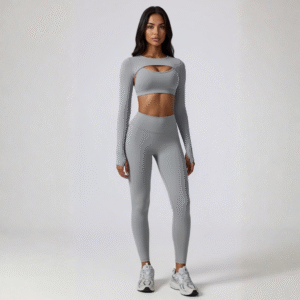
The fourth trimester brings unique physical changes: your core is reconnecting, your pelvis is settling, and your breasts may be tender or leaking. Postnatal recovery clothing UK addresses these realities with features like high-waisted panels for gentle tummy support, adjustable straps for changing bust sizes, and fabrics that move with you during those endless feeding sessions. At House of Tanera, we believe recovery wear should never feel like a compromise. Our The Becoming Era collection was designed with exactly this philosophy in mind, offering pieces that transition from hospital bag to nursery to coffee date without missing a beat.
Which Fabrics Support Healing After Birth?
Fabric choice is arguably the most critical element in postnatal recovery clothing UK. Your skin may be more sensitive post-birth, hormonal fluctuations can affect temperature regulation, and you’ll likely be sweating more than usual, particularly in those early weeks. Breathable, moisture-wicking materials are non-negotiable.
Bamboo viscose has become a favourite for its incredible softness and natural antibacterial properties. Organic cotton offers that familiar, gentle touch against healing skin, particularly important if you’ve had a caesarean section where the incision area needs airflow. Technical blends with elastane provide the stretch and recovery needed for garments that move with you during gentle walks or postnatal yoga.
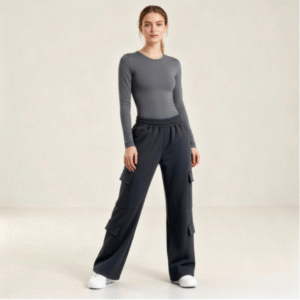
We recommend looking for fabrics with at least 5% elastane or spandex for that essential give. Sustainable fashion considerations matter here too, as bamboo and organic cotton have lower environmental footprints than conventional synthetics. Our Grounding Era pieces use a considered blend that balances softness with durability, meaning your recovery pieces will still look beautiful when you’re ready to style them differently.
How Does Compression Support Postnatal Recovery?
Gentle compression in postnatal recovery clothing UK serves multiple purposes beyond aesthetics. Many women find that light pressure on the abdomen provides a comforting, supportive sensation, particularly when lifting or caring for a newborn. This is not about “bouncing back” or restrictive shapewear, rather it’s about proprioceptive feedback that helps you engage your core correctly as you heal.
Research suggests that gradual return to movement with appropriate support can aid in the recovery of diastasis recti, the separation of abdominal muscles that affects many women post-birth. However, compression garments should never feel painful or restrictive. The best designs offer graduated support that’s firmer in specific zones while remaining completely flexible elsewhere.
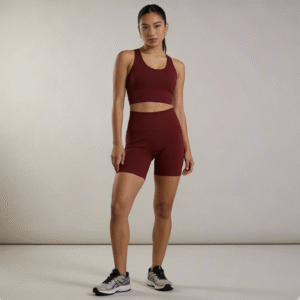
When comparing options, consider whether the compression extends to the hips and lower back, areas that carry significant tension when caring for a newborn. High-quality activewear UK brands now integrate this support seamlessly into leggings and tops, so you’re not layering separate compression garments under your clothes. For a solution that flows through your day, the The Liquid Era collection features innovative knit structures that provide adaptive support where you need it most.
What Features Should You Look for in Feeding-Friendly Activewear?
Whether you’re breastfeeding, formula feeding, or expressing, your clothing needs to accommodate easy access without leaving you feeling exposed or wrestling with complicated clasps. The feeding-friendly revolution in postnatal recovery clothing UK has moved far beyond the utilitarian nightgowns of previous generations.
Look for wraps, crossover designs, and discreet zip openings that allow one-handed access, because the other hand is inevitably holding a baby. Consider tops with stretchy necklines that can be pulled down easily, though bear in mind this can stretch the garment over time. Snap closures that are visible yet elegant work well, allowing you to maintain your sense of style while being practical.
Modest activewear considerations are particularly relevant here. Many women prefer coverage that allows them to feed discreetly, whether in public or at home. Longerline tops, higher necklines with hidden access, and layering pieces that provide coverage without bulk are all thoughtful features. Our designs at House of Tanera incorporate these elements naturally, recognising that every woman’s comfort level and feeding journey is unique. We’ve found that half-zip tops and wrap-style bras offer exceptional versatility without compromising on style.
How Does a Capsule Wardrobe Simplify Your Postnatal Life?
The early months with a newborn are characterised by sleep deprivation, interrupted routines, and laundry mountains. A considered capsule wardrobe can genuinely reduce decision fatigue and make getting dressed feel achievable rather than overwhelming. This approach aligns perfectly with House of Tanera’s philosophy of intentional wear: choosing fewer, better pieces that serve multiple purposes.
Your postnatal capsule might include three to four supportive leggings, two feeding-friendly tops, one relaxed jumper for layering, and a versatile nursing bra. These pieces should mix and match effortlessly, work across different settings from home to community classes, and transition from one stage of recovery to the next.
The beauty of a capsule approach is that it naturally supports sustainable fashion principles. You’re buying less, choosing better, and extending the life of each garment. When your recovery needs change, your capsule can adapt. That supportive legging might become your travel favourite; that feeding top might stay in rotation long after weaning because it fits and flatters beautifully. This is the essence of semi-luxe sportswear: pieces that earn their place in your wardrobe through longevity and versatility.
Which Brands Offer the Best Postnatal Recovery Clothing UK?
The UK market for postnatal recovery clothing has grown considerably, with options ranging from high-street basics to premium specialist brands. Finding the right fit for your needs, budget, and style preferences requires some consideration. We’ve compared some popular approaches to help you make an informed choice.
| Feature | Generic High-Street | Premium Specialist Brand | House of Tanera |
|---|---|---|---|
| Compression support | Minimal to none | Targeted zones, clinical focus | Adaptive knit, everyday comfort |
| Feeding access | Basic clips, limited styles | Complex systems, learning curve | Intuitive openings, discreet |
| Fabric quality | Synthetic-heavy, pilling risk | Premium, high-maintenance | Considered blends, easy care |
| Style longevity | Seasonal, trend-led | Timeless but clinical | Semi-luxe, beyond postpartum |
| Price point | Low initial, replace often | Very high | Intentional mid-range, durable |
As the comparison shows, the middle path offers substantial advantages. Semi-luxe sportswear balances thoughtful features with realistic pricing, meaning you invest in pieces that genuinely support your recovery without the premium markup of luxury labels. The key is to examine construction details: flatlock seams that prevent chafing, gussets that allow natural movement, and fabric weights that provide coverage without feeling heavy.
How Do You Style Postnatal Recovery Wear Beyond the Fourth Trimester?
One of the most common concerns we hear from new mums is the fear of buying clothing they’ll only wear for a few months. Thoughtful design addresses this by creating pieces that function beautifully during recovery and remain stylish and practical long after. This is where the concept of intentional wear truly shines.
A supportive legging in a classic colour works for postnatal yoga, school runs, and even travel. Pair it with a longerline tunic and trainers for an effortlessly put-together look. Your feeding-friendly top transitions to evening wear when layered with a jacket and statement jewellery. The flexible nature of these garments means they earn their place in your evolving capsule wardrobe.
Consider how your style might evolve as your body continues to change over the first year postpartum. Many women find their hips settle differently, or their ribcage remains slightly expanded. Quality fabrics with good recovery will accommodate these changes. When you choose activewear UK pieces with timeless silhouettes, you’re not just buying recovery clothing, you’re investing in a wardrobe that grows with you.
What Role Does Modest Activewear Play in Postnatal Recovery?
For many women, modesty considerations are central to feeling comfortable during the vulnerable postpartum period. Whether for religious reasons or personal preference, the desire for additional coverage is completely valid and increasingly well-served by the market. Modest activewear has moved beyond simply longer lengths, now incorporating clever design that maintains function while respecting your boundaries.
Look for high-neck tops with hidden feeding access, longerline cuts that provide hip coverage, and fabrics that offer opacity without stiffness. Layering pieces like lightweight jackets or open-front cardigans add flexibility, allowing you to adjust coverage throughout the day. These considerations matter whether you’re at home, visiting family, or returning to work.
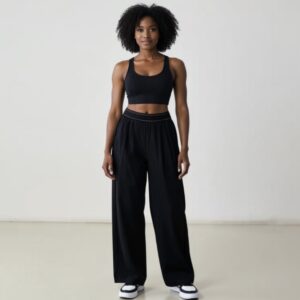
In our observation, women who feel their clothing respects their values and comfort levels show greater consistency in gentle movement and self-care routines during recovery. The psychological comfort of appropriate coverage directly supports physical healing. House of Tanera embraces these principles, creating pieces that offer coverage options naturally rather than as an afterthought. Our The Grounding Era collection particularly resonates with women seeking both modesty and performance in their recovery wear.
How Do You Care for Postnatal Clothing to Extend Its Life?
Proper care of your postnatal recovery clothing UK ensures it maintains its supportive properties and beautiful appearance throughout your recovery journey and beyond. The good news is that most quality activewear is designed for practicality, but a few simple habits will extend its life considerably.
Washing at 30 degrees rather than higher temperatures preserves elastane integrity, which is crucial for maintaining compression and fit. Avoid fabric softeners as they coat fibres and reduce moisture-wicking capabilities. Consider a mesh laundry bag for delicate items, and always reshape garments while damp rather than wringing them out. Air drying is preferable to tumble drying, which can degrade technical fabrics over time.
These care practices align with sustainable fashion principles, reducing the environmental impact of your wardrobe through longevity. When garments are designed to last and cared for properly, they represent a considered choice that benefits both you and the planet. Semi-luxe sportswear, by definition, should withstand the rigours of daily life with young children while maintaining its integrity through countless washes.
Key Takeaways
- Postnatal recovery clothing UK prioritises soft, breathable fabrics with gentle compression to support healing without restriction
- Feeding-friendly features like discreet openings and intuitive access are essential for practical everyday wear
- A capsule wardrobe approach ensures your maternity investment lasts well beyond the fourth trimester
- Considered care habits extend garment life, supporting sustainable fashion principles
- Modest activewear options provide comfort and coverage without compromising on style or function
When Should You Start Wearing Postnatal Recovery Clothing?
The timing of when to transition into dedicated postnatal recovery clothing UK varies for every woman and every birth experience. Generally, immediate postpartum wear focuses on maximum comfort: soft, high-waisted bottoms that accommodate postpartum pads and provide gentle support, and tops that allow easy skincare and feeding access.
Many women find that within two to four weeks, they’re ready for clothing with slightly more structure, particularly if they’re resuming gentle walks or postnatal classes. Listen to your body rather than following rigid timelines. If you’ve had a caesarean, pay close attention to where waistbands sit, ensuring nothing rubs against your incision site. High-waisted designs with soft, wide bands are often the most comfortable choice in these circumstances.
The beauty of well-designed recovery wear is that it doesn’t announce itself as “postnatal”. It simply looks and feels like quality activewear that happens to support your body through a significant transition. This discretion is important for many women who wish to feel normal and capable, not defined by their recent birth. Choosing pieces that don’t scream “maternity” helps you feel like yourself, which is genuinely valuable for mental wellbeing during the postpartum period.
What Does the Future Hold for Postnatal Activewear Design?
The landscape of postnatal recovery clothing UK continues to evolve, driven by a growing recognition that women deserve better than the limited options historically available. We’re seeing increased innovation in fabric technology, with adaptive textiles that respond to body temperature fluctuations, and smart designs that adjust to changing body shapes throughout the first year postpartum.
Sustainability considerations are also shaping the future of this category. Circular fashion initiatives, where garments can be recycled or repurposed after their useful life, are gaining traction. Some brands are exploring rental models for maternity and postnatal wear, recognising that these pieces may have a shorter active phase than general activewear. These developments promise to make intentional choices more accessible to more women.
At House of Tanera, we’re continuously refining our approach based on real feedback from our community of mothers, athletes, and everyday movers. The future of semi-luxe sportswear lies in pieces that serve multiple life stages, adapt to changing needs, and maintain their beauty through it all. This is the essence of thoughtful design: meeting you where you are and supporting where you’re going.
Frequently Asked Questions
How soon after birth can I wear postnatal recovery leggings?
Most women can wear soft, high-waisted recovery leggings within the first week after a vaginal birth. If you’ve had a caesarean, wait until your incision is healing well and choose styles with soft waistbands that sit above the incision site. Always follow your healthcare provider’s specific advice and listen to your body’s comfort signals.
What is the difference between maternity and postnatal clothing?
Maternity clothing accommodates a growing bump with stretchy panels and roomy cuts. Postnatal clothing supports a body that’s healing after birth, featuring gentle compression, feeding access, and fabrics that withstand the demands of newborn care. While some pieces overlap, dedicated postnatal designs address recovery-specific needs that maternity wear doesn’t provide.
Does House of Tanera offer postnatal recovery clothing?
Yes, House of Tanera creates semi-luxe activewear that supports postnatal recovery through adaptive fabrics, gentle compression, and feeding-friendly designs. Our Becoming Era and Grounding Era collections are particularly suited to the fourth trimester, offering pieces that transition seamlessly into your everyday wardrobe as you heal.
Can I wear postnatal recovery clothing for exercise?
Absolutely. Quality postnatal recovery clothing is designed for gentle movement, from walking to postnatal yoga and beyond. The supportive fabrics and adaptive compression assist your core engagement during exercise. Always obtain medical clearance before resuming exercise and choose gradually more supportive pieces as your recovery progresses.
How many postnatal pieces do I actually need?
A considered capsule wardrobe of five to seven pieces is sufficient for most women. This typically includes three leggings or bottoms, two to three feeding-friendly tops, and one layering piece. Quality over quantity ensures you have enough for washing cycles without overwhelming your wardrobe. Semi-luxe investment pieces will outlast cheaper alternatives.
Are postnatal recovery clothes suitable for modest wearers?
Many postnatal recovery garments work beautifully for modest activewear needs. Look for higher necklines, longerline cuts, and hidden feeding access. House of Tanera designs naturally accommodate modest styling preferences, allowing you to maintain your comfort and values while benefitting from recovery-specific features.
How long will I need postnatal recovery clothing?
There’s no fixed timeline, but most women benefit from recovery-specific features for three to six months postpartum. Quality garments designed with longevity in mind will continue serving you well beyond this period. Many House of Tanera pieces become wardrobe favourites that women wear for years after their postnatal phase.
Similar Posts

The Quiet Power of Semi Luxe Wardrobe Basics
Discover the quiet power of semi luxe wardrobe basics for your capsule collection. Explore our edit now

What Are the Best Pilates Clothing Brands Uk in the UK?
Discover the best pilates clothing brands uk for style and performance. Explore our top picks and elevate your workout

UK Designed Gym Essentials for an Intentional 2026
Discover UK-designed gym essentials for an intentional 2026. Elevate your workout and explore the collection now

What Are the Best Gym Leggings For Curves in the UK?
Discover the best gym leggings for curves in the UK for ultimate support and style. Find your perfect fit now

Premium Women’s Activewear for an Intentional Life
Discover premium women’s activewear designed for purpose and performance. Explore our collection to elevate your intentional lifestyle