
Last Updated: August 16, 2026
The best supportive gym wear for back pain in the UK combines targeted compression, strategic seam placement, and high-waist designs that stabilise the lumbar region without restricting movement. This guide explores how semi-luxe activewear can genuinely support your spine during training.
Living with back pain while trying to maintain a consistent training routine presents a unique challenge. You need clothing that works harder than standard sportswear, offering structural support where your body needs it most. At House of Tanera, we understand this intimately because our design philosophy centres on intentional wear; garments created for real movement patterns, not just aesthetic appeal. The right supportive gym wear can reduce strain, improve posture awareness, and help you train with confidence rather than fear.
Why Does Your Activewear Choice Affect Back Pain?
The connection between your clothing and your spine might not seem obvious at first, but consider how fabric behaves during a deadlift or a yoga flow. Non-supportive leggings with inadequate compression allow muscles to shift excessively, forcing your lower back to compensate for instability. Similarly, ill-fitting sports bras fail to distribute weight evenly, which directly contributes to upper back and shoulder tension.
Research from the British Journal of Sports Medicine indicates that up to 80% of adults experience lower back pain at some point, with poor movement mechanics being a significant contributing factor. Our observation across UK fitness communities suggests that supportive gym wear for back pain UK shoppers actively seek garments that offer gentle, consistent pressure to increase proprioception; essentially, helping the body sense its position more accurately during exercise. This sensory feedback encourages better alignment and reduces the risk of compensatory movements that aggravate existing issues.
Choosing the right activewear UK options means prioritising fabric tension zones. Unlike generic sportswear, intentionally designed pieces use varying knit densities to support specific muscle groups. For example, a high-waist band that is firm yet flexible creates a stabilising effect around the core, which scientific research suggests can slightly reduce the load on the lumbar spine during lifting activities. The Grounding Era collection was designed with exactly this principle in mind, offering targeted support without the restrictive feeling of medical-grade compression wear.
What Features Should You Look For in Supportive Gym Wear?
When you search for supportive gym wear for back pain in the UK, specific features distinguish genuinely helpful garments from those merely marketed as supportive. First, examine the waistband construction. A high-rise waistband that measures at least 10 to 12 centimetres provides the coverage needed to create that reassuring hug around your midsection. It should feel snug but never dig into your skin. The seam placement matters just as much; flatlocked seams prevent pressure points that can cause discomfort during extended wear.
Second, consider the fabric composition. Semi-luxe sportswear typically uses a blend of nylon, elastane, and polyester, usually in a ratio around 75:25 or 80:20. This combination offers the four-way stretch necessary for unrestricted movement while providing enough recovery to maintain consistent compression throughout your workout. Brushed inner fabrics feel luxurious against the skin, which matters when you are wearing these garments for hours at a time, from your morning walk to your evening gym session.
Third, look for crossover or V-shaped back detailing on tops. These designs naturally follow the trapezius muscle layout, allowing for better shoulder blade movement. Restricted shoulders force your lower back to overcompensate, so ensuring upper body freedom is essential for comprehensive back support. Our modest activewear pieces incorporate these ergonomic considerations while maintaining full coverage, proving that support and style can coexist beautifully.
| Feature | Standard Leggings | Compression Leggings | House of Tanera |
|---|---|---|---|
| Waistband Height | Medium (8-10cm) | High (10-12cm) | Extra High (12-14cm) |
| Fabric Weight | Light (200gsm) | Medium-Heavy (250-300gsm) | Premium (280gsm) |
| Lumbar Support Zone | None | Uniform Compression | Targeted Knit Tension |
| Seam Construction | Basic Overlock | Flatlock | Flatlock + Seam-Free Sides |
How Does High-Waist Support Actually Help Your Spine?
The mechanics behind high-waist support are rooted in how your body responds to external pressure. When you apply gentle, consistent compression around your abdomen and lower back, you enhance your body’s natural proprioceptive feedback. This means your brain receives clearer signals about your spinal position, allowing you to make micro-adjustments before poor posture becomes problematic. It is not about bracing like a weightlifting belt; it is about awareness.
A study published in the Journal of Back and Musculoskeletal Rehabilitation found that wearing compression garments during resistance training improved participants’ perceived stability and reduced muscle fatigue in the erector spinae muscles. While the study focused on general compression wear, the principles translate directly to well-designed activewear. The key lies in graduated compression; firmer pressure at the waistband that gradually decreases down the leg. This stimulates blood flow while providing that crucial core support. The Liquid Era collection exemplifies this graduated compression approach, using lighter fabrics that still deliver meaningful support for lower-impact activities like pilates and barre.
For those who experience pain during specific movements like squats or forward folds, high-waist leggings act as a gentle reminder to engage your core. The physical sensation of the waistband against your abdomen cues your transverse abdominis to activate, providing natural spinal stabilisation. Over time, this awareness translates into better movement habits even when you are not wearing supportive clothing. That is the ultimate goal of intentional activewear: training your body to move well, both in and out of the gym.
Which Fabric Technologies Provide the Best Support?
Fabric innovation has transformed what activewear can achieve. Traditional cotton blends absorb moisture and lose elasticity quickly, offering zero structural support once they stretch out. Modern sustainable fashion practices have introduced recycled nylon and polyester options that maintain performance properties while reducing environmental impact. For back support specifically, you need fabrics with excellent recovery; the ability to return to their original shape after stretching.
Look for technical details like “memory knit” or “sculpting zones” in product descriptions. These terms indicate that the manufacturer has engineered different compression levels into specific areas of the garment. A supportive gym wear piece for back pain should have higher tension around the waist and lower pressure at the hip and thigh to prevent that uncomfortable rolling effect many women experience. Breathability is equally important; if you overheat, you are more likely to cut your session short, and consistent movement is often part of managing chronic back discomfort.
Moisture-wicking properties also play a role in comfort during longer workouts. When sweat sits against your skin, friction increases, leading to chafing that distracts from proper form. Premium semi-luxe sportswear uses hydrophobic yarns that pull moisture to the fabric surface where it can evaporate quickly. This keeps your skin dry and your focus on your movement quality. At House of Tanera, we have selected our fabric blends specifically for these performance characteristics, without compromising on that soft, considered feel against the skin.
Can Modest Activewear Provide Adequate Support for Back Pain?
Absolutely, and this is a question we receive frequently from our community. Modest activewear has evolved significantly, moving beyond loose-fitting garments that offer little structural support. Modern designs incorporate layering pieces that work cohesively: a supportive base layer for compression, topped with looser, breathable outer layers that provide coverage without adding bulk or restriction.
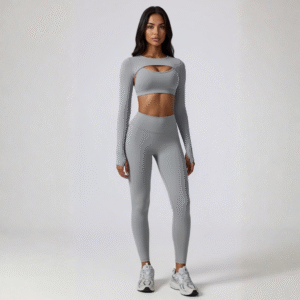
Our approach to modest activewear focuses on anatomical design. A longline sports top, for instance, can provide extra coverage while incorporating a built-in shelf bra with adequate support for low to medium impact activities. Pair that with high-waist leggings, and you have a complete system that addresses back pain support needs while respecting personal style preferences. The misconception that modest equals baggy is outdated; today’s modest activewear is form-flattering yet covered, allowing you to feel both supported and comfortable in your own skin.
For women who prefer additional coverage during workouts, consider adding a lightweight, breathable longline vest or jacket. These pieces should feature raglan sleeves for unrestricted shoulder movement and a hem that sits comfortably below the hip without bunching. The key is that every layer works together rather than against each other. The Becoming Era collection offers versatile layering pieces that harmonise perfectly with supportive base garments, so you can create a capsule wardrobe approach to your gym wear.
How Do You Build a Supportive Gym Wear Capsule Wardrobe?
A capsule wardrobe for gym wear is about investing in fewer, higher-quality pieces that serve multiple purposes and genuinely support your body. For back pain management, start with one exceptional pair of high-waist leggings that offer the graduated compression we discussed earlier. This becomes your cornerstone piece, suitable for everything from yoga to strength training. Choose a neutral colour like black or deep navy to maximise versatility across your existing wardrobe.
Next, invest in a supportive sports bra appropriate for your primary training style. If you practice high-impact activities like running or HIIT, you need high-impact support. If your routine centres on pilates, yoga, or weightlifting, a medium-support bra with wider straps and a racerback design will provide comfort without excessive compression. Remember that poor breast support directly impacts upper back posture, so this piece is crucial for your overall back health strategy.
Finish your capsule with two to three tops: one fitted base layer with a V-back or crossover detail, one loose-fitting breathable tee for warm-ups or cooler days, and potentially one longline layer if you prefer additional coverage. With these four to five quality pieces, you can mix and match across an entire week of training sessions while maintaining consistent support for your back. This intentional approach reduces decision fatigue and ensures you always reach for garments that serve your body well.
Key Takeaways
- Prioritise high-waist designs: Look for waistbands of at least 10-12cm with graduated compression for optimal lumbar support.
- Check fabric recovery: Choose blends with high elastane content (20-25%) for long-lasting support that won’t stretch out.
- Consider seam placement: Flatlocked, strategically placed seams prevent pressure points and allow full range of motion.
- Layer intentionally: Modest activewear can absolutely provide back support when designed with anatomical principles in mind.
- Build a capsule: Invest in fewer, better-quality pieces that work together to support movement patterns you rely on.
How Does House of Tanera Approach Supportive Gym Wear Design?
Our design process at House of Tanera begins with movement analysis, not trend forecasting. We observe how women actually move during various training modalities, then reverse-engineer our garments to support those specific movement patterns. For our collections, we tested our high-waist bands across multiple squat depths, forward folds, and rotational movements to ensure nothing digs in, rolls down, or restricts. The result is activewear that feels like a second skin, providing support you barely notice until you train without it.
We also place enormous importance on fabric sourcing. Our sustainable fashion commitment means we use recycled nylon from pre-consumer waste, which requires less water and energy to produce than virgin materials. This nylon performs comparably to conventional options, offering excellent recovery and durability. Our compression garments maintain their shape for over 100 washes when properly cared for, making them a considered investment in your training wardrobe rather than a disposable fast-fashion purchase.
Every piece in our range is designed with inclusive grading to fit a variety of body shapes comfortably. We refuse to design for one idealised silhouette because back pain does not discriminate based on size, and neither should supportive activewear. Our size range extends from XS to XXXL, with consistent coverage and support across all sizes. This commitment to inclusivity stems from our belief that every woman deserves training wear that helps her move with confidence and ease, regardless of her starting point.
Which Training Styles Benefit Most From Supportive Gym Wear?
While supportive activewear benefits all forms of exercise, certain modalities particularly amplify the advantages. Strength training, especially compound movements like deadlifts, squats, and overhead presses, places significant load on the spine. The external support and enhanced proprioception from well-designed compression wear can help you maintain neutral spinal alignment throughout these lifts, reducing the risk of injury. The gentle reminder to brace your core is invaluable here.
Pilates and yoga also pair beautifully with supportive leggings, though perhaps for different reasons. These disciplines emphasise spinal articulation and core engagement. The tactile feedback from a high-waist band helps you feel subtle pelvic tilts and rib placement, deepening your mind-body connection. We have heard from many customers that their supportive leggings have become an essential tool for refining their practice, not just a comfortable garment to wear through it.
For those who prefer walking, hiking, or daily functional movement, supportive activewear provides consistent, low-level assistance throughout the day. Many women wear our leggings for everything from school runs to gym sessions because the compression helps manage discomfort during prolonged standing or walking. This versatility makes supportive gym wear a genuine investment in daily wellbeing, extending far beyond your scheduled workout times.
What Are the Common Mistakes to Avoid When Choosing Supportive Gym Wear?
One of the most common mistakes we see is choosing leggings that are too small in the waist, believing tighter equals more support. In reality, overly tight waistbands restrict blood flow and can actually increase discomfort by pressing on nerves and creating new pressure points. The correct fit should feel firm but comfortable, allowing you to sit, bend, and stretch without the band leaving deep indentations in your skin after removal.
Another frequent error is prioritising aesthetics over construction. While a flattering silhouette is lovely, if the fabric is thin or the seams are poorly placed, your back support suffers. Always check the weight of the fabric; a 200gsm fabric may look great but offers minimal compression compared to a 280gsm option. Similarly, avoid garments with centre-back seams that press directly on your spine, as these can create uncomfortable friction during spinal extension movements. Seam placement should complement your anatomy, not fight against it.
Finally, do not overlook the importance of proper garment care. Supporting activewear relies on elastic recovery, which diminishes when you use fabric softeners or high-heat drying. To extend the life of your supportive garments, wash them in cold water, skip the dryer, and allow them to air dry flat. This simple habit keeps elastane fibres intact, preserving the compression that helps your back. With proper care, quality semi-luxe activewear performs beautifully for years.
Is Supportive Gym Wear Worth the Investment for Everyday Use?
The short answer is yes, particularly when back pain affects your daily quality of life. Consider this: a single course of physiotherapy in the UK typically costs between £40 and £60 per session, and many people require multiple sessions. Investing £60 to £80 in a pair of well-constructed supportive leggings that you wear two to three times per week for years represents remarkable value. Prevention and support are always more cost-effective than treatment alone.
Beyond the financial calculation, there is the value of confidence. When you know your clothing supports your body, you approach exercise differently. You are more likely to attempt that new movement, push through a plateau, or simply show up for your session on days when you feel less motivated. This psychological benefit compounds over time, creating a positive relationship with movement that supports long-term back health. The confidence that comes from feeling secure in your training wear is genuinely transformative.
We designed House of Tanera to offer exactly this balance of physical support and psychological empowerment. Our garments are not just clothing; they are tools for your body’s evolution. When you choose semi-luxe activewear that works with your anatomy, you are making a conscious decision to prioritise your wellbeing. That intentionality, reflected in every seam and fabric choice, is what sets supportive gym wear apart from ordinary sportswear.
Ready to experience activewear designed around your body’s needs?
Frequently Asked Questions
Can gym wear really help with back pain or is it just marketing?
Yes, thoughtfully designed gym wear can genuinely help. High-waist compression leggings provide graduated pressure that enhances proprioception, helping you maintain better spinal alignment during exercise. However, garments only offer mild assistance; they are not medical devices. For significant pain relief, combine supportive activewear with appropriate strength training, stretching, and professional guidance from a physiotherapist or movement specialist.
What is the ideal waistband height for lower back support?
Look for waistbands between 12 and 14 centimetres high for optimal lower back support. This height provides sufficient coverage to create a stabilising effect around your lumbar region without restricting your natural waistline movement. At House of Tanera, our leggings feature an extra-high waistband that sits comfortably at the natural waist, offering consistent support throughout your full range of motion without rolling down during exercise.
How does modest activewear compare to traditional gym wear for support?
Modern modest activewear can provide equivalent support to traditional gym wear when the base layers are constructed with appropriate compression. The key is layering thoughtfully: a supportive high-waist legging and structured sports bra beneath looser, breathable overlay pieces. The outer layers should not add significant weight or restriction, allowing the supportive base garments to perform their protective function effectively.
Similar Posts

All Season Activewear Essentials for an Intentional 2026
Discover your all-season activewear essentials for an intentional 2026. Start building your mindful wardrobe today

What Are the Best Second Skin Leggings Women UK in the UK?
Discover the best second skin leggings women UK can buy for style and comfort. Shop our top picks now

The Ultimate Guide to Buying Premium Loungewear Online in the UK
Discover how to buy premium loungewear online in the UK with our expert guide for ultimate comfort and style. Start shopping now

What Are the Best House Of Tanera in the UK?
Discover the best House of Tanera styles for your wardrobe and elevate your look with our expert UK fashion guide

Sustainable Activewear Basics for an Intentional 2026
Discover sustainable activewear basics for an intentional 2026. Explore our conscious collection and start your journey

What Are the Best Gym Leggings With Pockets Uk in the UK?
Discover the best gym leggings with pockets UK for style and function. Find your perfect pair and elevate your workout today