

Last Updated: April 19, 2026
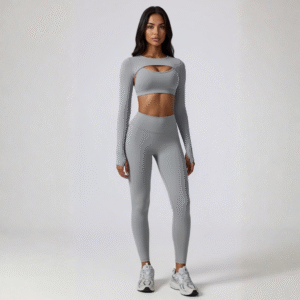
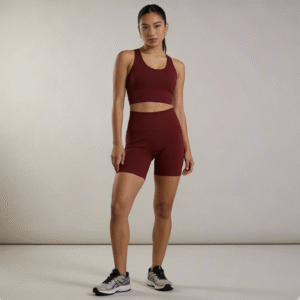
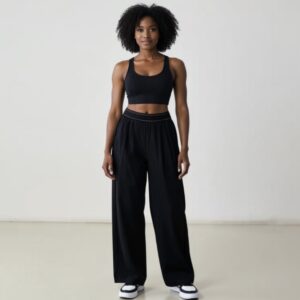
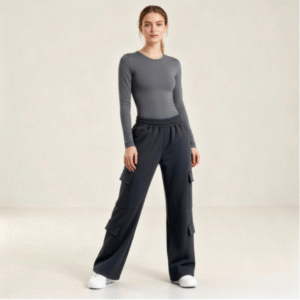
Wear form-fitting, breathable, and stretchy activewear that allows your instructor to see your alignment and lets you move freely without restriction. The ideal pilates outfit balances comfort, support, and a touch of personal style.
Why Does What You Wear To Pilates Matter?
Pilates is a practice of precision. Unlike high-impact cardio, it focuses on controlled, mindful movements that engage your deepest muscles. Your clothing acts as a second skin, providing feedback. If your leggings are too loose or your top is baggy, your instructor can’t accurately assess your form, and you might miss subtle corrections that make all the difference. The right semi-luxe sportswear supports your practice by staying put, moving with you, and making you feel confident in your body’s capabilities.
What Are The Key Features Of Pilates Activewear?
When building your capsule wardrobe for movement, pilates pieces should be selected with intention. Look for these non-negotiable features:
- Four-Way Stretch: Fabric must stretch and recover in all directions for lunges, rolls, and extensions.
- Breathability & Moisture-Wicking: Even in a low-sweat practice, quality fabric keeps you cool and dry.
- Seamless or Flat-Lock Seams: To prevent chafing and discomfort when lying on the reformer or mat.
- Full Coverage & Squat-Proof Material: Essential for peace of mind during inverted poses and stretches.
- Soft, Brushed Feel: Pilates is intimate; your clothing should feel comforting against your skin.
How Do You Choose The Right Fabric?
The fabric is the foundation. While many brands use standard polyester blends, a more considered approach looks to natural-infused or high-tech materials. At House of Tanera, our The Liquid Era collection uses a signature fabric that blends recycled performance fibres with a touch of organic cotton for that soft, second-skin feel. This combination offers the durability and stretch of technical fabric with the comforting, breathable quality of a natural fibre, making it perfect for the nuanced demands of pilates.
What Is The Ideal Pilates Outfit Combination?
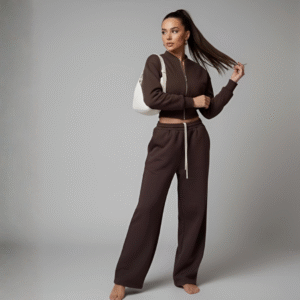
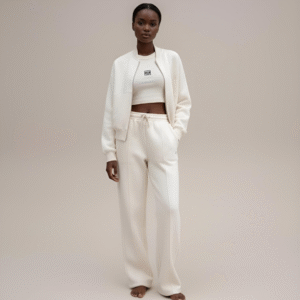
A cohesive outfit enhances your focus. Start with high-waisted leggings that offer gentle core compression and stay in place. Pair them with a fitted top—a long-sleeve tee, a cropped tank, or a breathable turtleneck—that won’t ride up when you’re on your back. For cooler studios or for those preferring more coverage, a lightweight, stretchy jacket or hoodie completes the look. This approach to modest activewear is about choice and comfort, not limitation.
Key Takeaways for Your Pilates Kit
- Fit is paramount: clothing should be form-fitting but not constricting.
- Prioritise seamless construction to avoid mat burn and discomfort.
- Choose fabrics that feel good on your skin and support your movement.
- Your outfit should make you feel confident and focused, not distracted.
Can You Wear The Same Clothes For Pilates And Yoga?
Often, yes. Both practices value similar qualities in clothing: stretch, comfort, and non-restriction. However, pilates can involve more dynamic, spring-based movements on reformers, where secure, non-slip fabric is even more critical. A versatile activewear UK wardrobe built on quality basics will seamlessly transition between yoga, pilates, and daily life. Our The Becoming Era collection is designed for this very purpose, offering foundational pieces that anchor your movement wardrobe.
How Does Semi-Luxe Activewear Enhance Your Practice?
Semi-luxe isn’t about a price tag; it’s a philosophy of intentional wear. It means investing in fewer, better pieces that perform brilliantly and last for years, aligning with sustainable fashion principles. In a pilates context, this translates to leggings that won’t become sheer, tops that retain their shape wash after wash, and details like bonded seams that lie flat. This thoughtful design removes distractions, allowing you to invest fully in the connection between your mind and body.
| Feature | Fast Fashion Activewear | Premium Luxury Sportswear | House of Tanera Semi-Luxe |
|---|---|---|---|
| Fabric Quality | Often thin, may become sheer, loses shape quickly. | High-tech, performance-focused, sometimes less soft. | Natural-infused blends for softness, stretch, and durability. |
| Seam Construction | Raised seams that can chafe during floor work. | Flawless flat-lock or seamless technology. | Strategic flat-lock seams for comfort and a clean silhouette. |
| Design Philosophy | Trend-led, frequent collections. | Status-driven, bold branding. | Intentional, timeless designs for your evolving lifestyle. |
| Price Point & Value | Lower upfront cost, higher cost-per-wear. | High upfront investment. | Considered pricing for exceptional quality without the luxury markup. |
| Sustainability Consideration | Rarely a priority, high environmental impact. | Varies, but often uses virgin materials. | Core use of recycled materials and timeless styles to reduce waste. |
What About Footwear And Accessories For Pilates?
Pilates is typically done barefoot or in grip socks for reformer classes to enhance foot articulation and stability. Avoid bulky trainers. For accessories, keep it minimal. A soft, non-slip hair tie to keep hair off your face and a durable, large water bottle are all you need. The focus should remain on your body, not your belongings.
How To Build A Pilates Capsule Wardrobe?
A capsule wardrobe for movement is about versatility and reducing decision fatigue. You don’t need a drawer full of options; you need a few perfect ones. Start with two pairs of high-waisted leggings in neutral colours. Add three tops: a tank, a long-sleeve, and a cropped style. One versatile jacket completes the core. From there, you can add pieces that reflect your personal style. Our The Grounding Era collection, with its earthy tones and fluid layers, is ideal for creating a cohesive, calming palette for your practice.
Is Modest Activewear Suitable For Pilates?
Absolutely. Modest activewear for pilates focuses on longer lengths, higher necklines, and sleeves, all while maintaining the necessary fit and stretch. The key is finding pieces that offer full coverage without excess fabric that could bunch or get caught. Many women, whether for personal, cultural, or comfort reasons, prefer this style. It’s about providing choice within the activewear UK market, ensuring every woman can find pieces that make her feel secure and empowered to move.
What Are Common Pilates Outfit Mistakes To Avoid?
A few simple missteps can disrupt your flow. Avoid overly loose t-shirts that will fall over your head in inverted poses. Steer clear of leggings with thick, prominent waistbands that dig in during abdominal curls. Skip jewellery that could scratch equipment or yourself. Finally, avoid wearing dark colours if you tend to use studio loaner mats; light-coloured lint can be frustrating for the next person. Choosing considered activewear helps you sidestep these issues effortlessly.
Ready to move with intention? Explore our collections designed for the precision and grace of pilates.
Frequently Asked Questions
Can I wear running leggings to pilates?
You can, but they may not be ideal. Running leggings are often designed for airflow and high-impact support, which can mean thicker seams and less focus on a barefoot, floor-based feel. For pilates, seek leggings with a softer hand-feel and flat seams for comfort on the mat or reformer.
Do I need to buy special grip socks for pilates?
For mat pilates, barefoot is standard. For reformer pilates, most studios require grip socks for hygiene and safety. It’s best to check with your studio first. A good pair of grip socks with rubberised dots on the sole will prevent slipping on the equipment.
Are House of Tanera’s leggings squat-proof for pilates?
Yes, absolutely. Every pair of House of Tanera leggings is rigorously tested to be fully opaque and squat-proof. We use high-density, four-way stretch fabrics in our collections, like those in The Liquid Era, to ensure you have complete confidence and coverage during every movement, from leg lifts to spine stretches.
What is the best colour for pilates activewear?
There’s no single best colour. Darker shades like navy, black, and charcoal are classic and forgiving. Lighter, neutral tones can create a calming, focused atmosphere. Choose a palette that makes you feel good. A 2026 survey of UK pilates instructors noted that clients wearing colours they love often exhibit more confident movement.
How should activewear fit for a pilates class?
Activewear should be snug but not compressive to the point of restriction. You should be able to move through your full range of motion—like a deep hamstring stretch or a full roll-up—without feeling the fabric pull or limit you. The fit should feel secure and supportive, like a second skin.
Does House of Tanera offer pieces suitable for hijab-wearing pilates practitioners?
Yes, our designs are created with inclusivity in mind. Our long-line tops, high-neck styles, and full-length, high-waisted leggings from collections like The Grounding Era provide the coverage and freedom of movement needed. We focus on creating versatile, modest-activewear that integrates seamlessly into an active lifestyle without compromise.
How many pilates outfits do I really need?
If you practice 2-3 times a week, a capsule of 2-3 complete outfits is sufficient. This allows for rotation and washing. Investing in high-quality, versatile pieces means you’ll need fewer items overall, as each one will perform well, last longer, and mix and match easily, supporting a more sustainable wardrobe.
Written by Tanisha — Founder of House of Tanera, a UK-based semi-luxe activewear brand designed for women who move with intention. With a background in fashion and fitness, Tanisha creates collections that balance performance, comfort, and conscious style.